- 07/20/2026
- 3min
No chance of rust on the vehicle – effective tips for prevention and treatment

Rust formation is a gradual process that primarily affects steel. It is a visible form of corrosion and occurs when the metal reacts with moisture and oxygen – a process called oxidation. The longer water, humidity, dirt or road salt stay on a surface, the faster the typical red-brown layer develops. What initially only looks like a small flaw can significantly weaken the substance of your vehicle over time, as the material becomes porous and loses stability.
How rust develops
The main cause of rust is moisture – especially when it collects in certain places and cannot dry properly. Water often remains stagnant for long periods in narrow crevices, clogged drainage areas, or hard-to-reach corners. Dirt further enhances this effect as it retains moisture, creating ideal conditions for corrosion. Especially in winter, road salt exacerbates the problem as it accelerates the chemical processes. If paint damage such as scratches or stone chips are added, the metal is exposed – and rust has an easy time of it.
Particularly vulnerable vehicle areas
There are numerous areas on the vehicle that are particularly vulnerable. This particularly includes areas that are difficult to see, such as the insides of doors, wheel arches or hidden areas in the engine compartment. The underbody and rear end are also frequently subjected to continuous stress from moisture and dirt. In station wagons, the tailgate is also a common weak point. Another underestimated hazard lies behind plastic cladding: moisture often collects here, while small dirt particles between the plastic and sheet metal gradually remove the protective layer.
But it is not only the body that is affected. Components without galvanization are also particularly at risk. These include, for example, axles, hinges, locks or movable connecting parts. These components are directly exposed to the weather and are therefore particularly susceptible to corrosion.
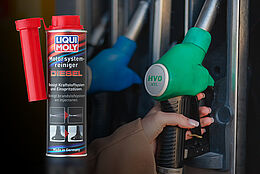
Corrosion-related damage can also occur inside the vehicle – especially in the fuel system. Moisture and deposits can impair the function in the long term and damage components. Special additives can help keep the system clean and protect it from corrosion.

Rust prevention: How to protect your vehicle
To prevent this from happening, you can take simple preventive measures. Repair small paint damage as early as possible before rust can form. Regular washing helps to remove dirt and salt, while a layer of wax or sealer additionally protects the paintwork. The parking location also plays a role: if you park your vehicle in as dry and well ventilated a location as possible, condensation can be significantly reduced.